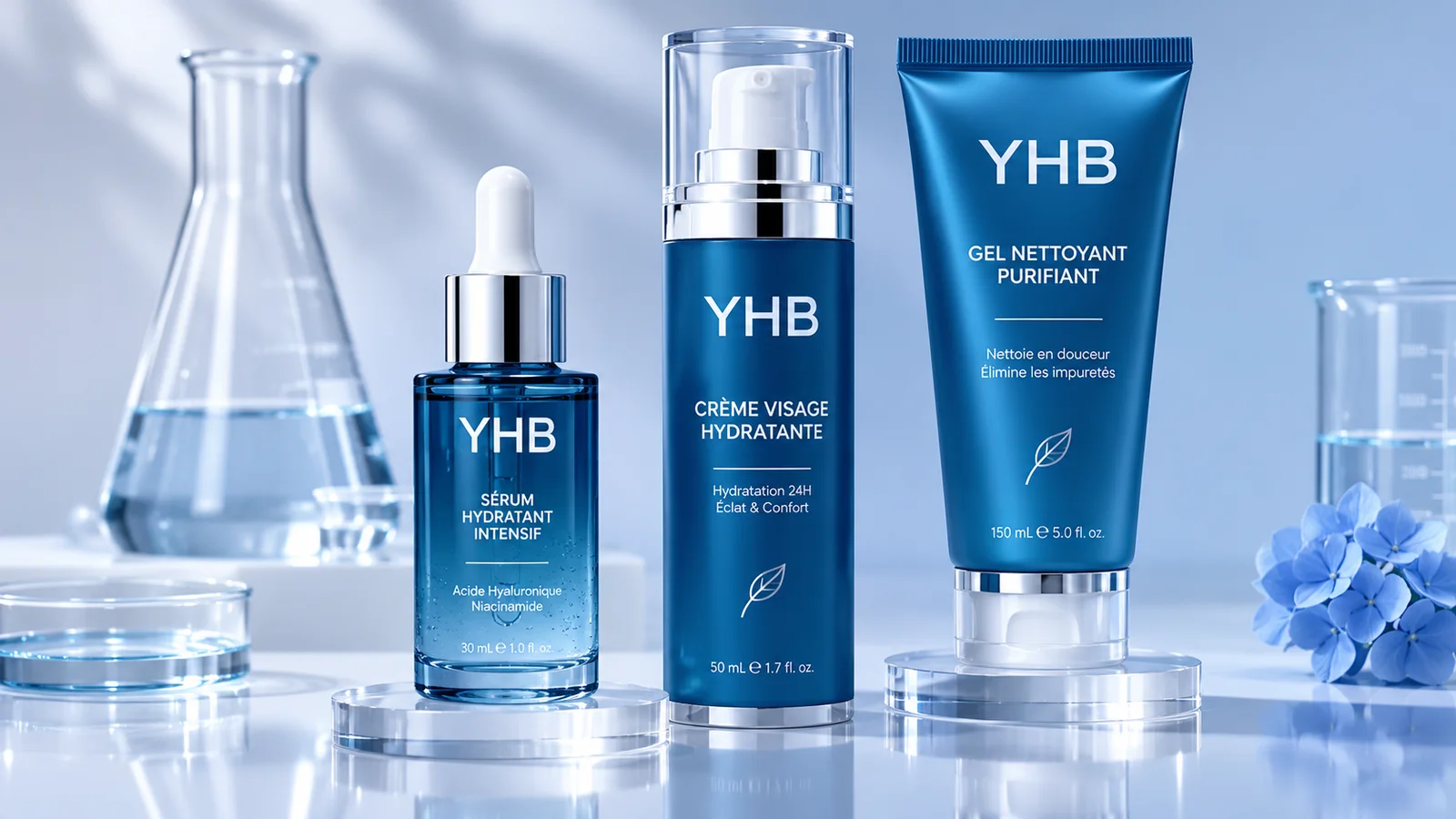
The terms white label, private label and OEM are often used in the cosmetics industry, sometimes with meanings that vary between suppliers and countries. Before signing a contract, it is better to look at the actual services: existing or exclusive formula, level of customisation, intellectual property, control of the packaging and technical responsibilities. The commercial label given to the service is not, on its own, a contractual definition.
White label: starting from an available product
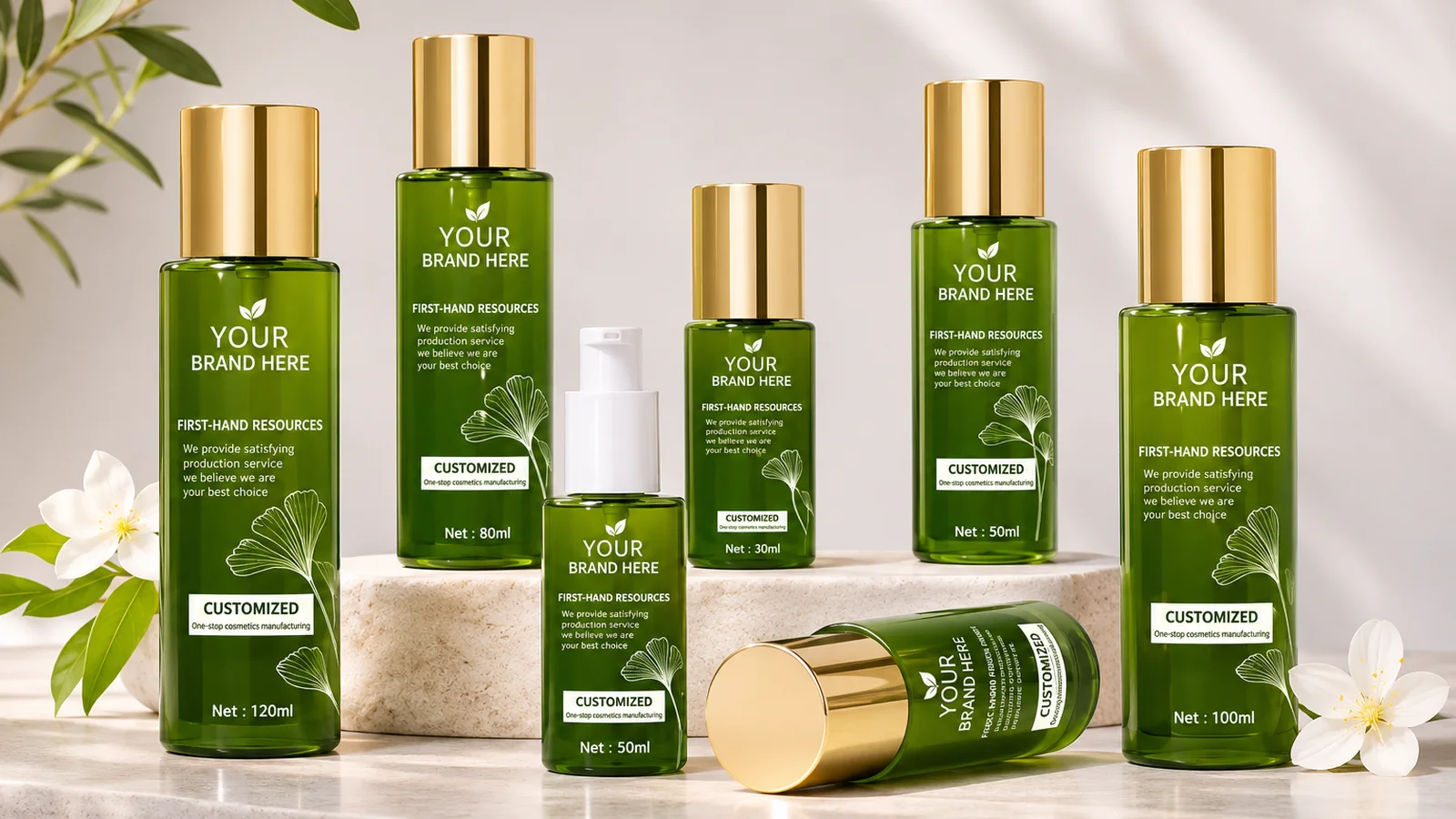
White label generally refers to a product already developed that several brands can customise with their own commercial identity. This solution can be relevant for a quick launch or a first collection. The possibilities of changing the scent, the texture or the active ingredients nevertheless depend on the manufacturer and may require a new technical assessment.
You need to ask what is really standard: formula, container, technical file or only the formulation base.
Private label: a sometimes broader notion
Depending on usage, private label can refer to a retailer’s own brand made from an available formula or to a more customised project. The term therefore does not automatically guarantee exclusivity. To know what you are buying, check the clauses relating to the formula, the territory, confidentiality and future changes.
Customising a label does not necessarily give ownership of the formula. Conversely, an exclusive development may be governed by a specific intellectual property agreement.
OEM and contract manufacturing: talking about the real scope
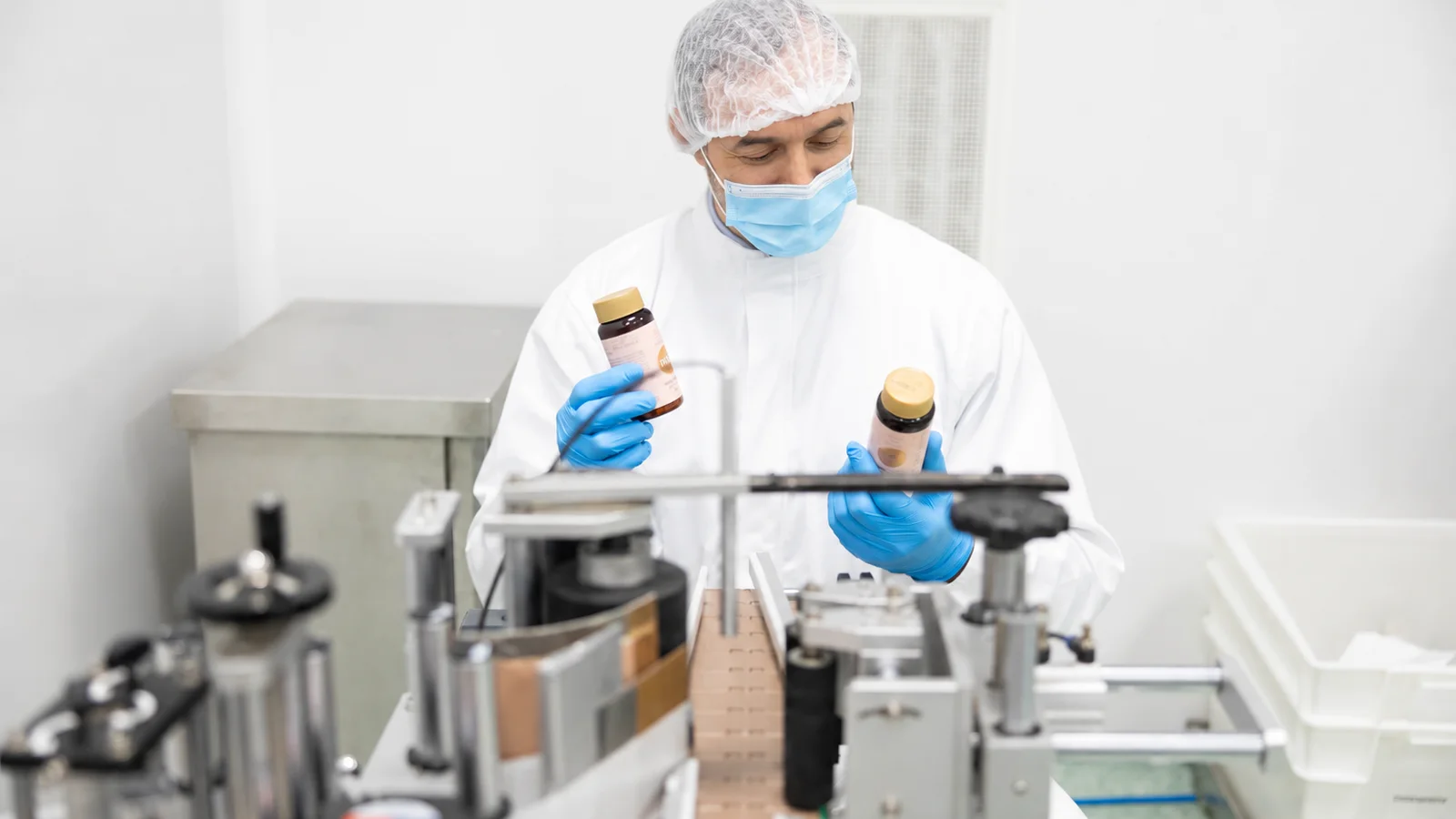
OEM generally means that a manufacturer produces for another company, according to an agreed model. In cosmetics, the services can range from manufacturing an imposed formula to more complete support. You need to identify who supplies the materials, carries out the controls, orders the containers and approves the documents.
Subcontracting can therefore overlap with several of these models. The commitments are found in the quote and the contract, not in the acronym alone.
How to choose?
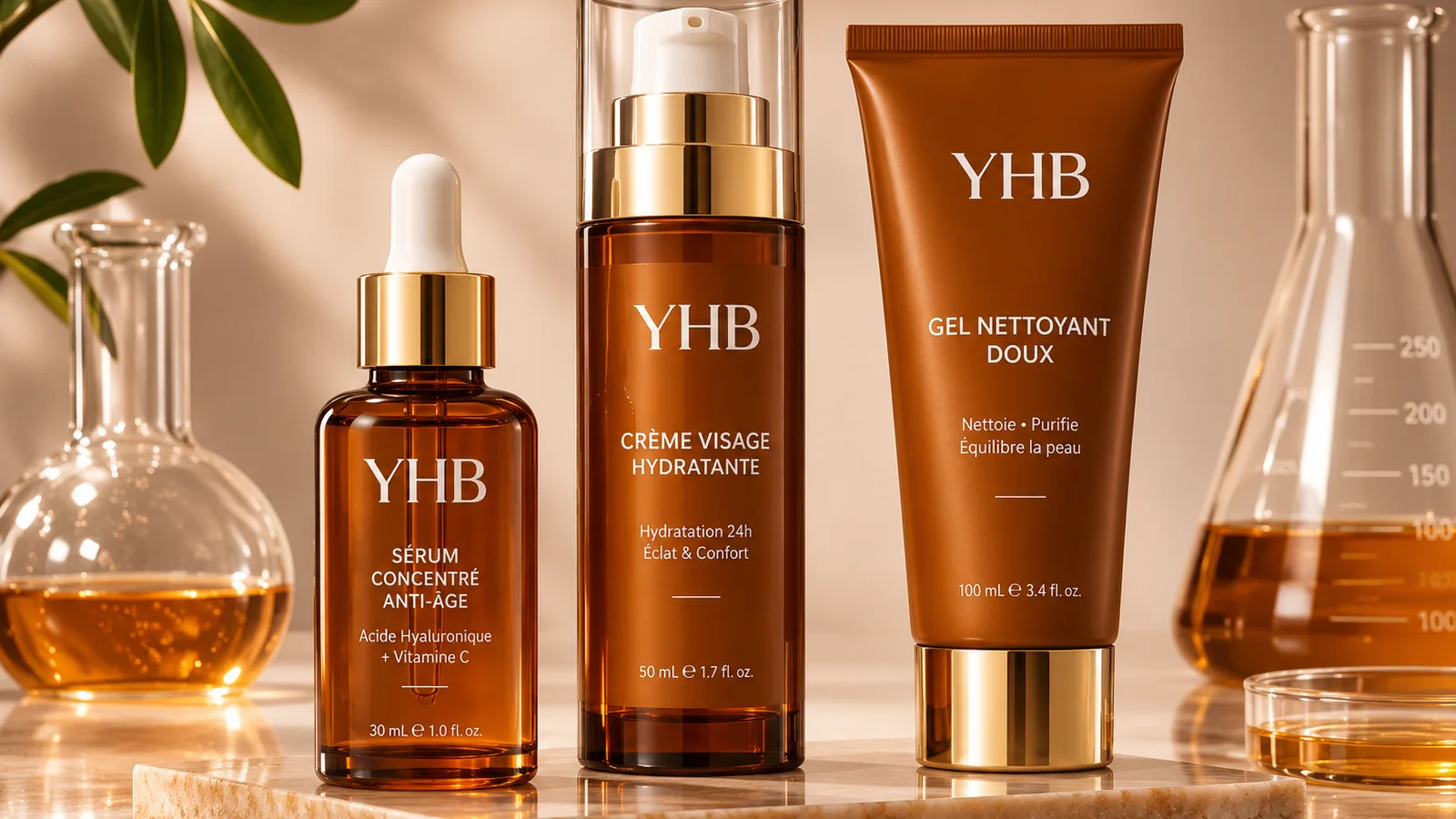
If your priority is to launch a coherent range on a controlled budget, ask about the white label possibilities. If your priority is an exclusive texture or concept, prepare custom specifications. If you already have a formula, ask for a transfer and contract manufacturing study, clarifying rights and responsibilities.
Frequently asked questions
Are private label and white label always synonymous?
No. Usage varies: ask for the level of customisation to be specified.
Does OEM imply ownership of the formula?
No. The rights depend on the agreements concluded.
Can an existing formula be sold under several brands?
That depends on the formula, the contract and any exclusivity arrangements.
Identify the right manufacturing model
BIOCYLAB can study the available formula, custom development and the production scope suited to your brand.