
01 / Expertise
Create a prototype
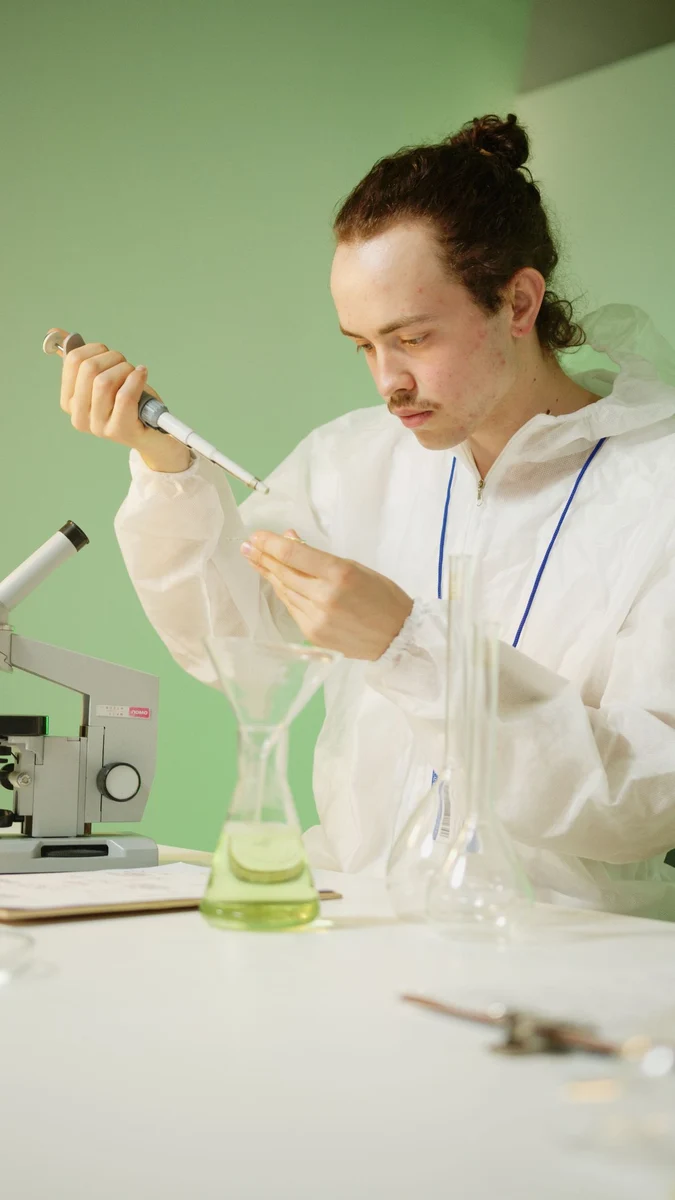
Test the feasibility of a skincare concept before manufacturing. A prototype makes it possible to assess appearance, texture, odour and certain technical criteria.
From the scientific brief to laboratory trials: developing, evaluating and preparing your formulas for manufacturing.
The Research & Development department of BIOCYLAB Laboratoires studies cosmetic formulations, raw materials, sensory characteristics and the methods needed to develop products. Its mission: to turn a commercial intention into a structured technical project.
Brands may need a new formula, to modify an existing product, to check its stability or to prepare its industrialisation. Trials, deliverables and responsibilities are defined according to the product, the client’s needs and the technical resources involved.
Selling it may require safety assessments, regulatory documentation and packaging approvals. R&D activities are not, in themselves, an ISO 22716 certification. The standard covers good manufacturing practices and the operations within its scope.
A good R&D project should lead to decisions that the formulation team, the quality department or the manufacturing team can use.
01 / Expertise
Test the feasibility of a skincare concept before manufacturing. A prototype makes it possible to assess appearance, texture, odour and certain technical criteria.
02 / Expertise
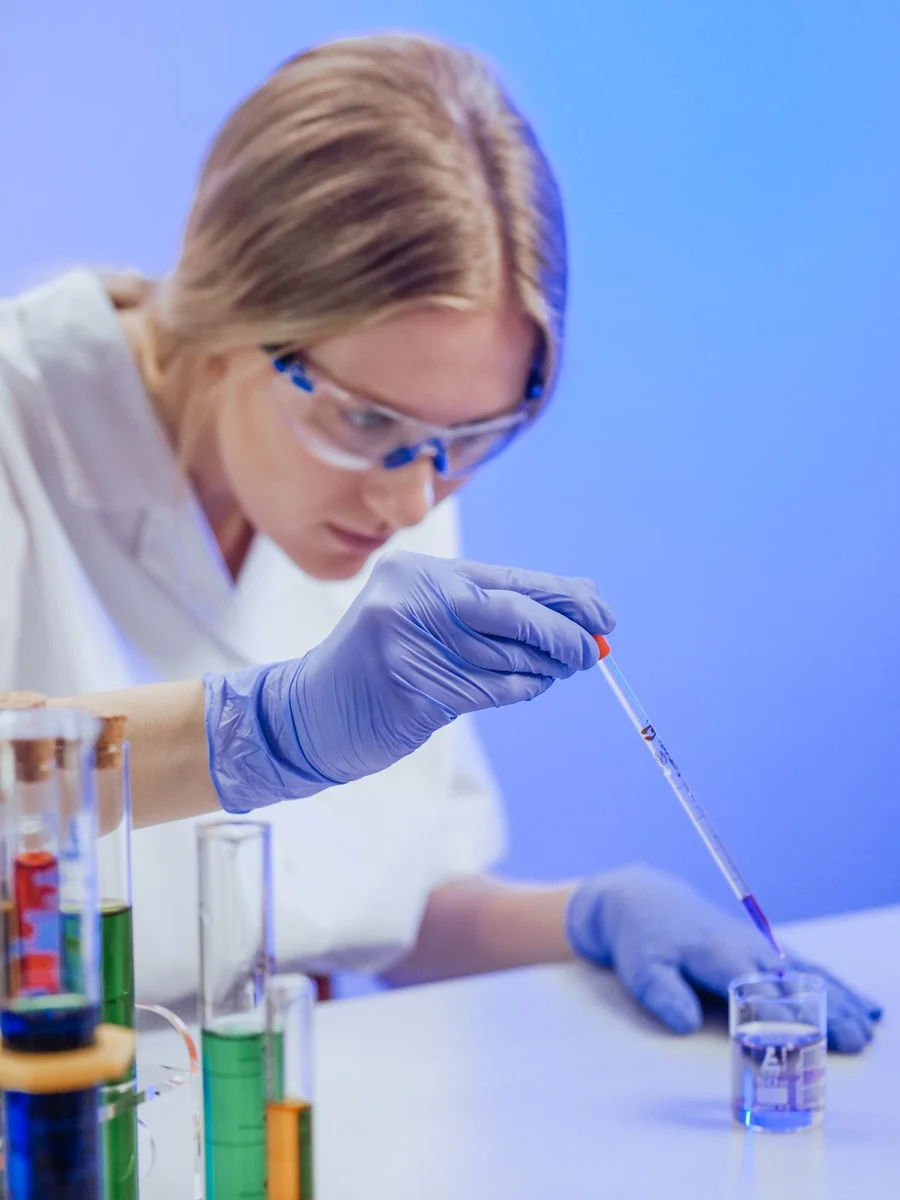
Adjust sensory or technical characteristics, based on documented observations and new approvals where needed.
03 / Expertise
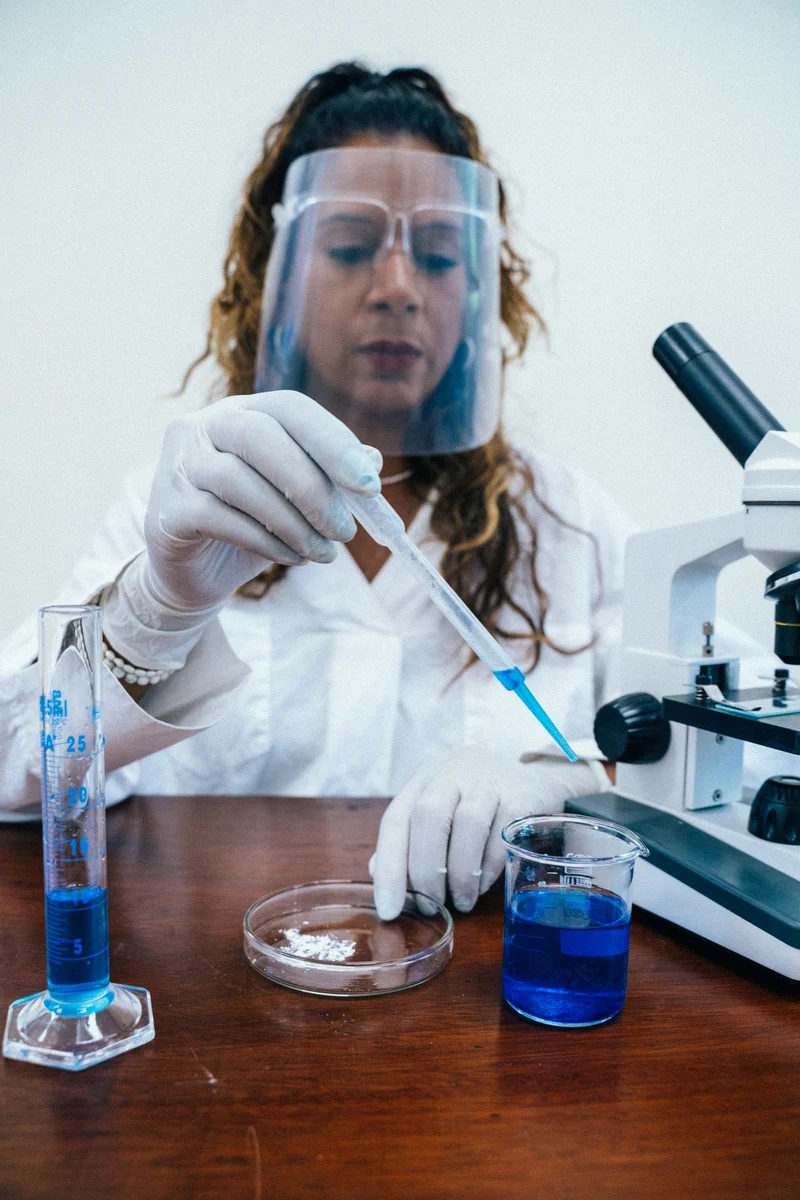
Define a protocol to study how a formula changes under relevant storage conditions.
04 / Expertise
Review the process, the mixing conditions, the equipment and any pilot manufacturing.
Tell us your products, your constraints and the country of sale to receive a tailored assessment.
R&D is not just about adding an ingredient to a base. It involves understanding the product’s properties, documenting materials and taking suitable measurements.

01 / Expertise
Function, user, market, product form, claims, requested ingredients, budget constraints and volumes.
02 / Expertise
Selection of raw materials, laboratory process and preparation of a first version to evaluate.
03 / Expertise
Relevant parameters such as pH, viscosity, appearance, behaviour and sensory profile, depending on the type of product.

04 / Expertise
Traceability of versions, feedback, changes and the parameters kept for the next stages of the project.
05 / Expertise
Stability, formula–packaging compatibility, microbiological quality and further trials depending on the risks and the services agreed.
06 / Expertise
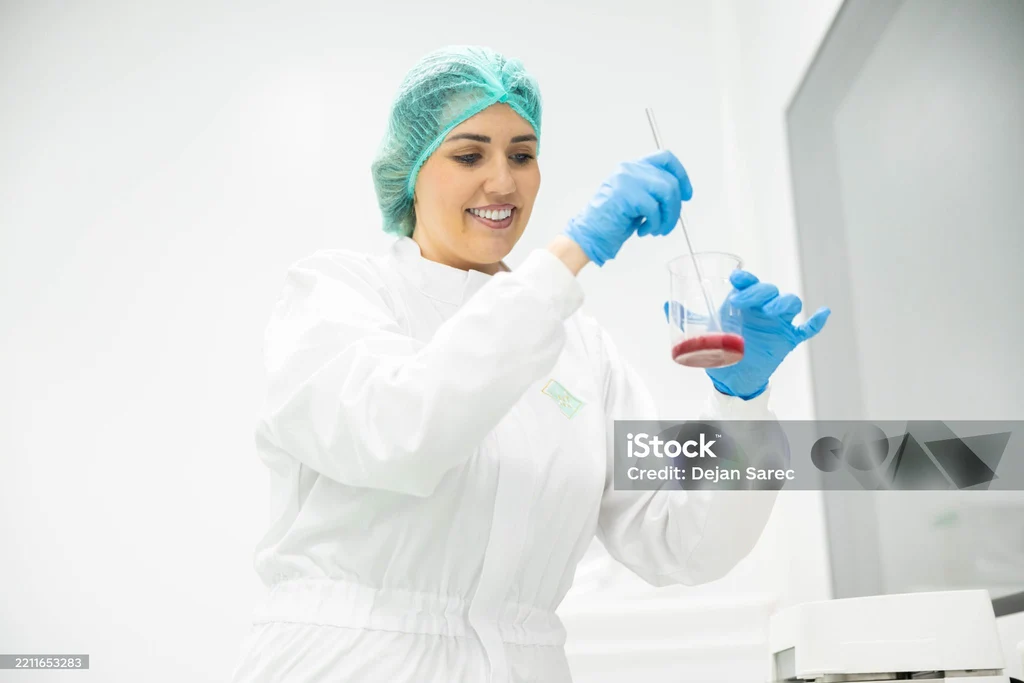
Study of the process at manufacturing scale, specifications and a possible pilot batch before the launch decision.
Tell us your products, your constraints and the country of sale to receive a tailored assessment.
The scope of the service must be set out precisely in the quote: some trials are carried out by a partner laboratory or a qualified assessor.
01 / Expertise
The project’s objective, expected characteristics, constraints and acceptance criteria.
02 / Expertise
Prototypes and formula versions logged for comparison, depending on the work planned.
03 / Expertise
Report on the checks and trials carried out or coordinated, with the limits of their interpretation.
04 / Expertise
The parameters kept, the planned container and the data needed to prepare manufacturing.
Tell us your products, your constraints and the country of sale to receive a tailored assessment.
Formulating a serum, a shampoo or a cleanser does not involve exactly the same technical parameters.
01 / Expertise
Textures, emulsion stability, sensory profile, preservation and container compatibility.
02 / Expertise
Solubility, stability of the actives, pH where relevant, appearance and choice of dispensing system.
03 / Expertise
Foaming behaviour, viscosity, detangling, residue, fragrance and packaging.
04 / Expertise
Lipid profile, oxidation, sensory behaviour and container compatibility.
Tell us your products, your constraints and the country of sale to receive a tailored assessment.
Assessments should answer a technical question. Not all of them are needed for every formula, and they can be carried out in-house or by a partner laboratory, depending on the expertise and the scope defined.
01 / Expertise
Observe the appearance, homogeneity, pH where relevant, viscosity or other parameters of the formula under documented test conditions. The results are interpreted according to the protocol used.
02 / Expertise
Study the interactions between the formula and the components of the bottle, tube, jar or dispensing system. The relevant trials depend on the material and the product.
03 / Expertise
Define checks according to the product’s exposure and its level of risk. Assessing antimicrobial protection may be relevant for some formulas, but it is not a universal test.

04 / Expertise
A benefit such as hydration, a reduction in the appearance of wrinkles or control of excess sebum must be supported by suitable evidence. The assessment methods are defined according to the claim.
Tell us your products, your constraints and the country of sale to receive a tailored assessment.
Research is only truly useful to the client if the technical decisions serve manufacturing and placing on the market. Expertise is coordinated around identifiable product references and documents.
01 / Expertise
Prepares or adjusts prototypes, documents trials and proposes formulation parameters, taking industrial feasibility into account.
02 / Expertise
Reviews the constraints related to equipment, quantities and mixing or filling conditions, before any industrial commitment.
03 / Expertise
Helps define the control criteria, traceability and the checks needed on materials and finished products.
04 / Expertise
Identifies what is required for the destination market and each party’s responsibilities, without confusing R&D with authorisation to sell.
Tell us your products, your constraints and the country of sale to receive a tailored assessment.
Define the expected result and the characteristics to measure.
Raw materials, restrictions, documents and technical resources.
Create and record development versions.
Relevant protocols and analyses for the product.
Choose a reference version and define the specifications.
Study the process, and a pilot batch if needed.
Specifications
To improve a texture, replace a material or transfer a formula, describe the difference observed and provide a reference for comparison. Agree on the criterion to measure and the test conditions.
Specify the prototype version, the report expected and the limits of the study. Before a production run, review the parameters to go over with production and the checks to confirm at scale-up.
Yes, if the documentation and conditions of use are available. The study identifies their differences and the trials to run on the formula before deciding on a substitution.
It studies the feasibility of a formula, prepares prototypes, defines trials and prepares the move to manufacturing.
Depending on the project: stability, compatibility, physico-chemical and microbiological checks, or further assessments.
The place and the operator of each trial must be confirmed: some assessments can be carried out or coordinated with a qualified partner.
A development prototype is not automatically a product ready to be sold.
A result must be interpreted according to the protocol, the test conditions and the data available. Without analysis, it is not a general guarantee.
A feasibility study is possible depending on the documents available, the rights of use and technical compatibility.
It is a trial manufacture at a suitable scale that helps study how the formula behaves before industrial production.
Specify the product category, the expected characteristics, the existing data, the tests you have in mind and the market of sale.
Tell us the technical problem, the state of the formula and the assessments you want.