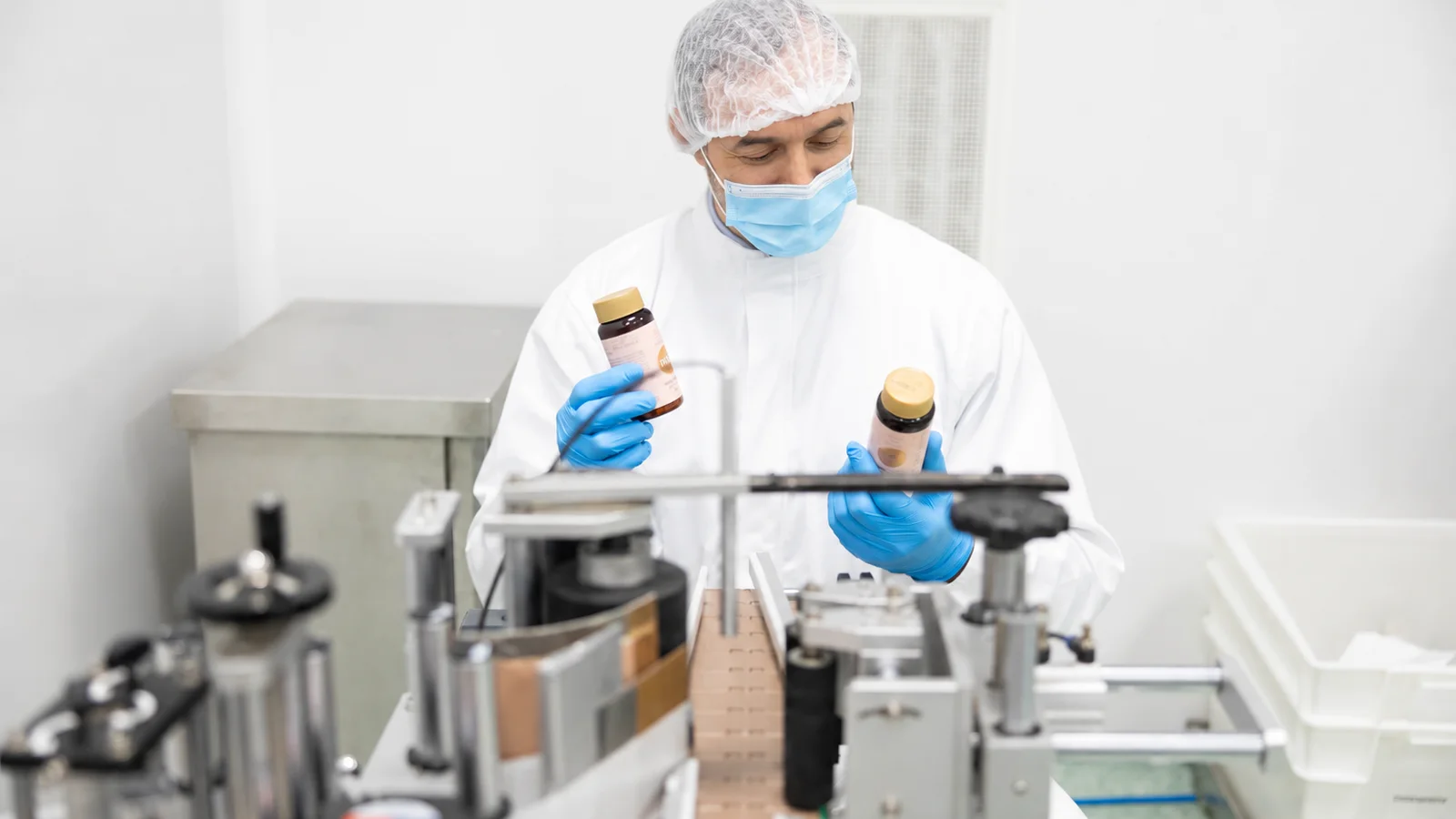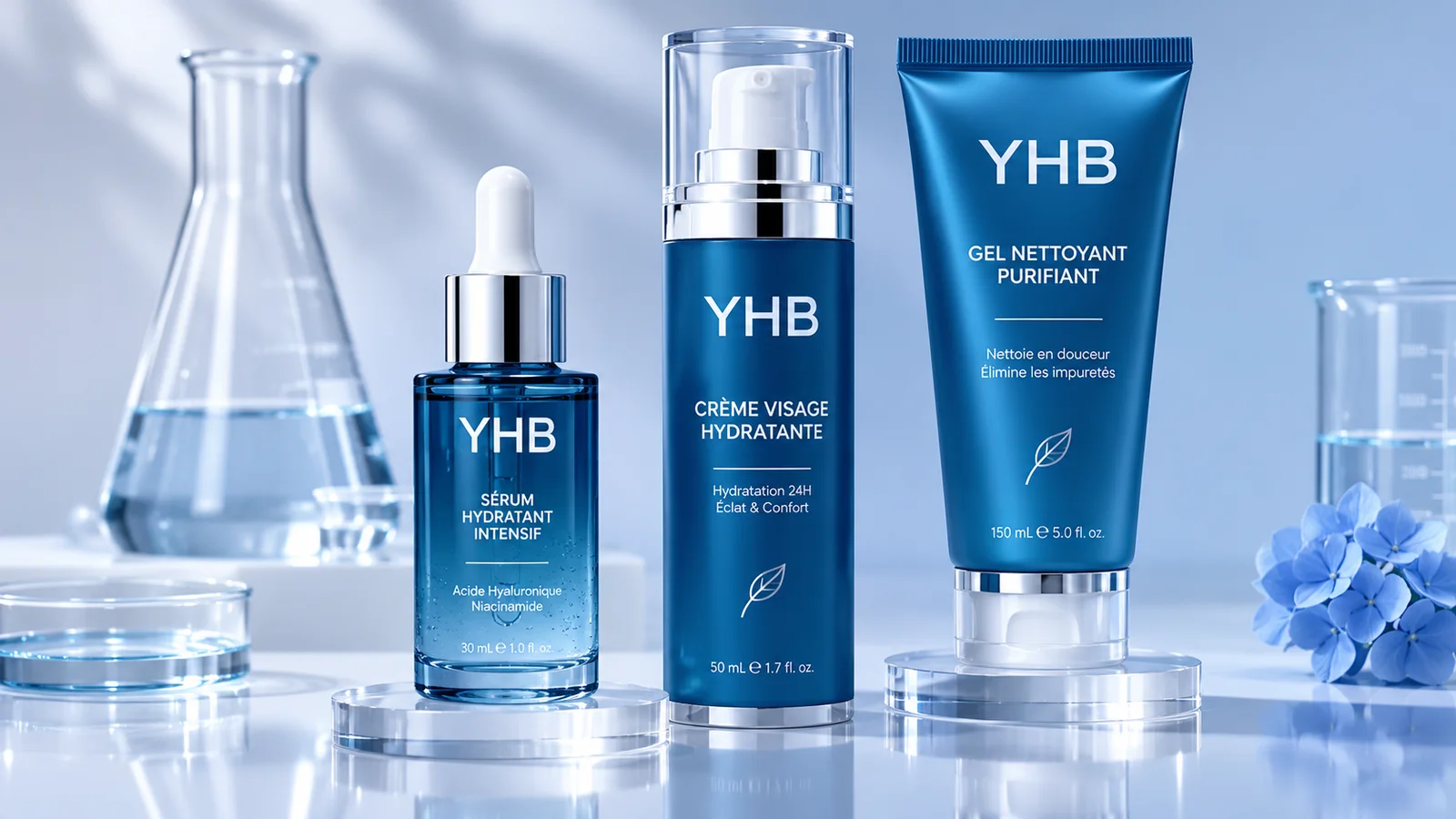
Private label and custom formulation meet two different situations. In the first case, a brand starts from an existing formula that it customises within defined limits. In the second, it requests the development of a product based on specifications. The choice has an impact on R&D costs, tests, minimum quantities and the schedule, but also on the commercial differentiation of the product.
When is private label relevant?
It is particularly suitable when a brand wants to test its distribution, launch a coherent collection or limit the number of initial technical decisions. A formula that is already available can make it possible to focus the effort on the choice of products, positioning, packaging and marketing. This does not remove the need to check documentary compliance and the suitability of the formula for the target market.
At BIOCYLAB, some products can start from 200 units depending on the formula and the packaging. Customisation options are to be confirmed case by case.
What does a custom development change?
A custom formula starts with specifications: use, desired active ingredients, sensory profile, constraints, target audience and intended claims. The laboratory then studies feasibility, prepares prototypes and defines the relevant controls. Costs and MOQs reflect this complexity, but the company can obtain a product that is better aligned with its value proposition.
The intellectual property of the formula, any exclusivity and the transfer conditions must be specified in the contract; they cannot be inferred automatically from the term “custom”.
How to compare the total cost of the two options?
Ask for the same information for both scenarios: price of the finished products, initial costs, samples, changes, packaging, documents, lead times and reorder conditions. A development that seems cheaper can generate additional costs if the scope is not clear.
Do not compare only the first batch. For a brand planning several reorders, it is useful to calculate the forecast cost over twelve months from realistic sales assumptions.
Which strategy for a first collection?
A mixed approach can work: select available formulas for the complementary products and invest in an exclusive development for a signature product. You then need to check the consistency of the range’s fragrances, textures, formats and promises.
Frequently asked questions
Does private label allow the active ingredients to be changed?
Some adaptations can be considered, but they require technical approval.
Does a custom formula automatically belong to the brand?
No. This point depends on the contract and on the rights agreed.
Does custom always require a higher MOQ?
Not systematically: only the quote after the study can confirm it.
Let’s identify the right solution
BIOCYLAB studies private label and custom development according to your project, your schedule and your market.