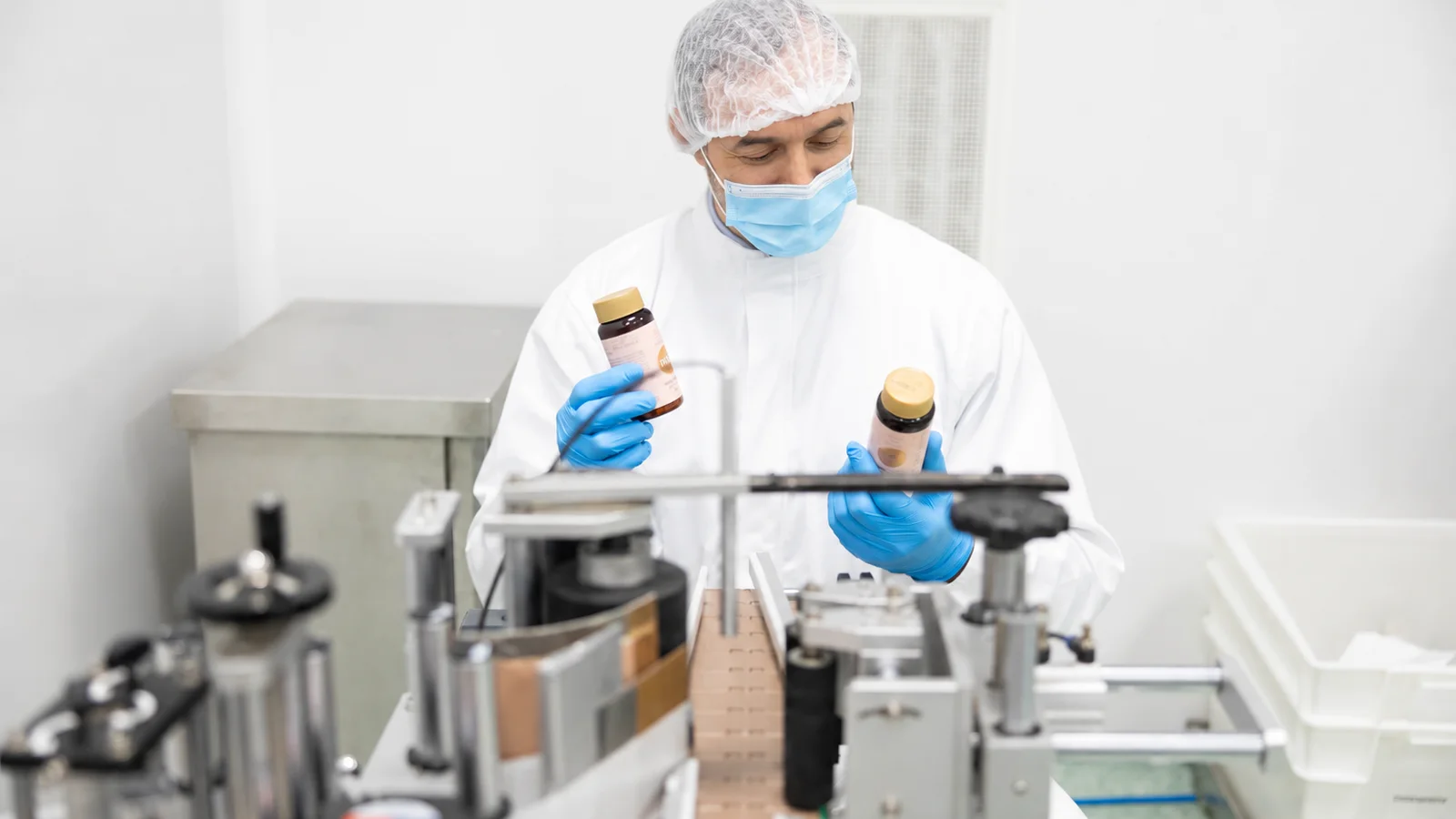
Cosmetic packaging protects the formula, makes it usable and expresses the brand's identity. A successful choice balances these three functions. A bottle that is photogenic but fragile, a pump unsuited to the viscosity or an illegible label can spoil the customer's experience, even if the formula meets the brief.
Start with use, not with the finish
Define the quantity used, the consumer's gestures and the sales channel. A serum intended for daily use does not have the same constraints as a large-format treatment-room mask. Compare tube, jar, bottle, airless or sachet according to the protection sought, ease of dosing, costs, decoration possibilities and the collection or recycling system applicable in the market.
Prepare the graphic and technical validation
Once the container has been selected, check the label dimensions, the mandatory information, print durability and assembly. The graphic print proof must relate to a frozen version, with a check of the regulatory statements suited to the country of sale. Formula–container compatibility tests and leak-tightness checks are part of the technical validation; they must not be confused with aesthetic approval.
Suggested grid: product, viscosity, dosing, material, decoration, market, overall cost and pending validations.
Points to approve in your file
For each of the following elements, write down the decision taken, the person who approves it and the document that can justify it:
- Use.
- Type of product.
- Material.
- Dosing.
- Decoration.
- Print proof.

Frequently asked question
Should the bottles be chosen before the formula?
The two decisions must move forward together. The formula affects the dispensing system and compatibility; the chosen packaging can impose constraints on viscosity, stability and filling.
Apply this guide to your project
To apply this guide, document two elements first: the use and the type of product. If an industrial study is needed, specify the products, indicative volumes, packaging and countries of sale concerned. The BIOCYLAB team can examine this information according to the actual scope of the project; quantities, lead times and services must be confirmed before any decision.