Exporting your cosmetic products internationally is an excellent growth strategy. But every market has its own rules. From Europe to Africa, by way of the Middle East, regulation is strict and many documents are required.
Here are the essential steps to master, and how a laboratory like Biocylab can support you in your procedures.
1. The European regulatory foundation: your starting point
Before any export, your product must comply with the European Regulation (EC) No 1223/2009:
✅ PIF (Product Information File)
✅ Safety and efficacy tests
✅ Complete, multilingual labelling
✅ Registration on the CPNP portal
✅ A designated “Responsible Person” for placing on the market
💡 This level of requirements provides an excellent compliance base for other countries.
—
2. CPNP registration: mandatory in the EU
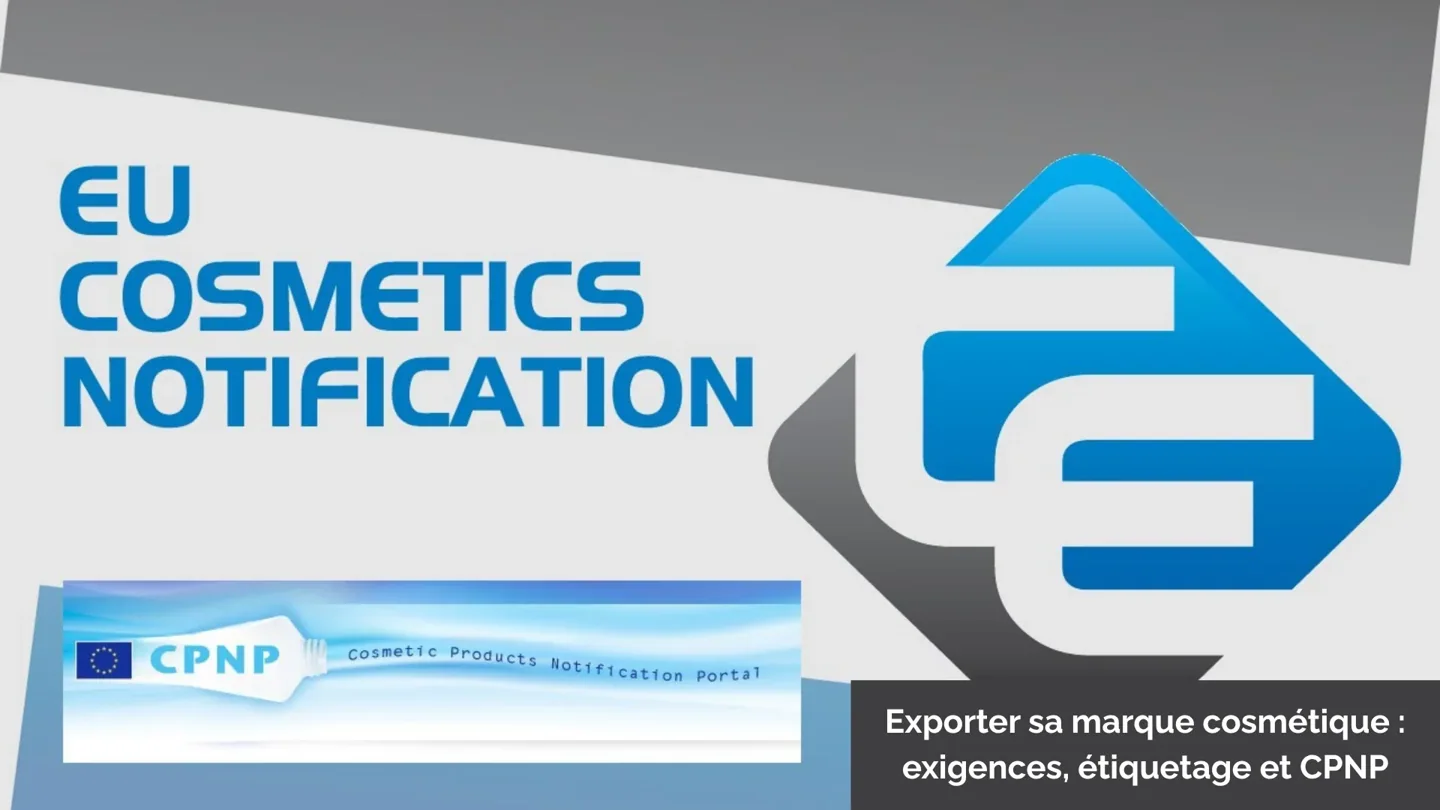
The Cosmetic Products Notification Portal (CPNP) is the European database that centralises all products placed on the market.
For each product, you must register:
- The complete INCI list
- The country of manufacture
- The label
- The name of the RP (Responsible Person)
- The packaging format
🎯 Biocylab offers this filing service in-house to save you time.
—
3. Requirements by export zone
🌍 Each market has its own specific features:
Region | Key requirements |
🇺🇸 United States | FDA (not mandatory but recommended), claims monitored |
🇦🇪 Emirates/Gulf | Certificates of origin and of analysis, sometimes HALAL |
🇲🇦 Maghreb | Technical data sheet, physicochemical analyses, customs declaration |
🇨🇳 China | Mandatory tests (registered locally) |
🇬🇧 United Kingdom | UK SCPN, Brexit marking, post-CPNP rules |
—
4. Labelling: a lever for compliance
📦 Each country requires:
- A local language
- Specific legal statements
- Standardised pictograms
- Sometimes a QR code, a local expiry date or additional instructions for use
📌 Example: in Canada, bilingual labelling (FR/EN) is required, even for mini formats.
—
5. The standard documents to provide
📁 When exporting, plan for:
- Complete product sheet (INCI, use, pH…)
- Test report (microbiology, stability…)
- Certificate of origin
- Free Sale Certificate
- Customs purchase order
Biocylab provides you with all these elements as part of professional manufacturing.
—
6. Useful additional certifications
✅ To make export easier, consider:
- ECOCERT / COSMOS ORGANIC
- ISO 22716 (Good Manufacturing Practices)
- GMP + traceability
- Vegan / cruelty-free
- HALAL (for certain markets)
—
Conclusion
Cosmetics export is a great opportunity, but it requires a methodical, rigorous and well-supervised approach. The choice of laboratory is decisive in anticipating local requirements and providing you with the right documents at the right time.
At Biocylab, we support our clients internationally with a solid regulatory structure, CPNP expertise and export logistics suited to their needs.