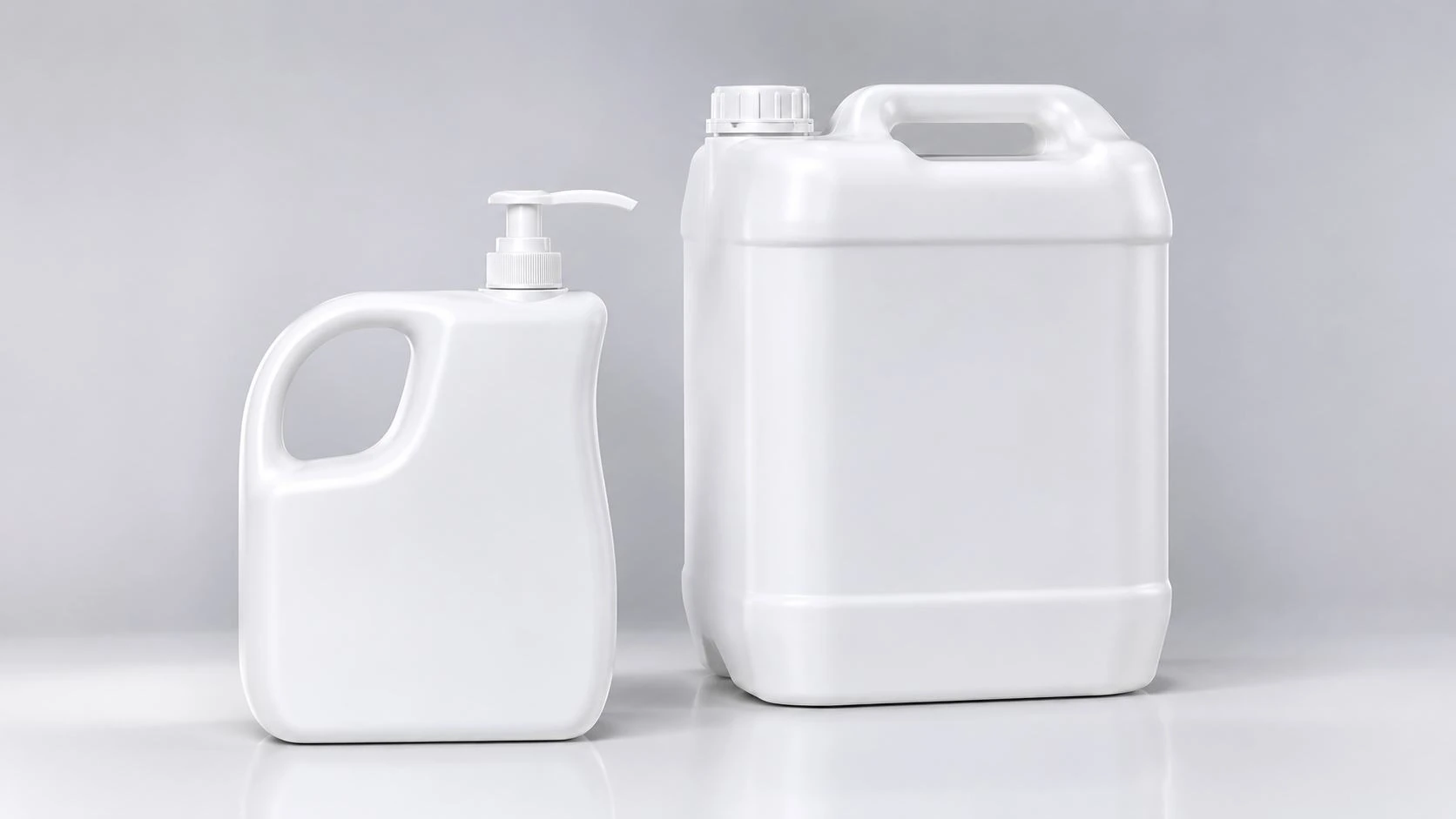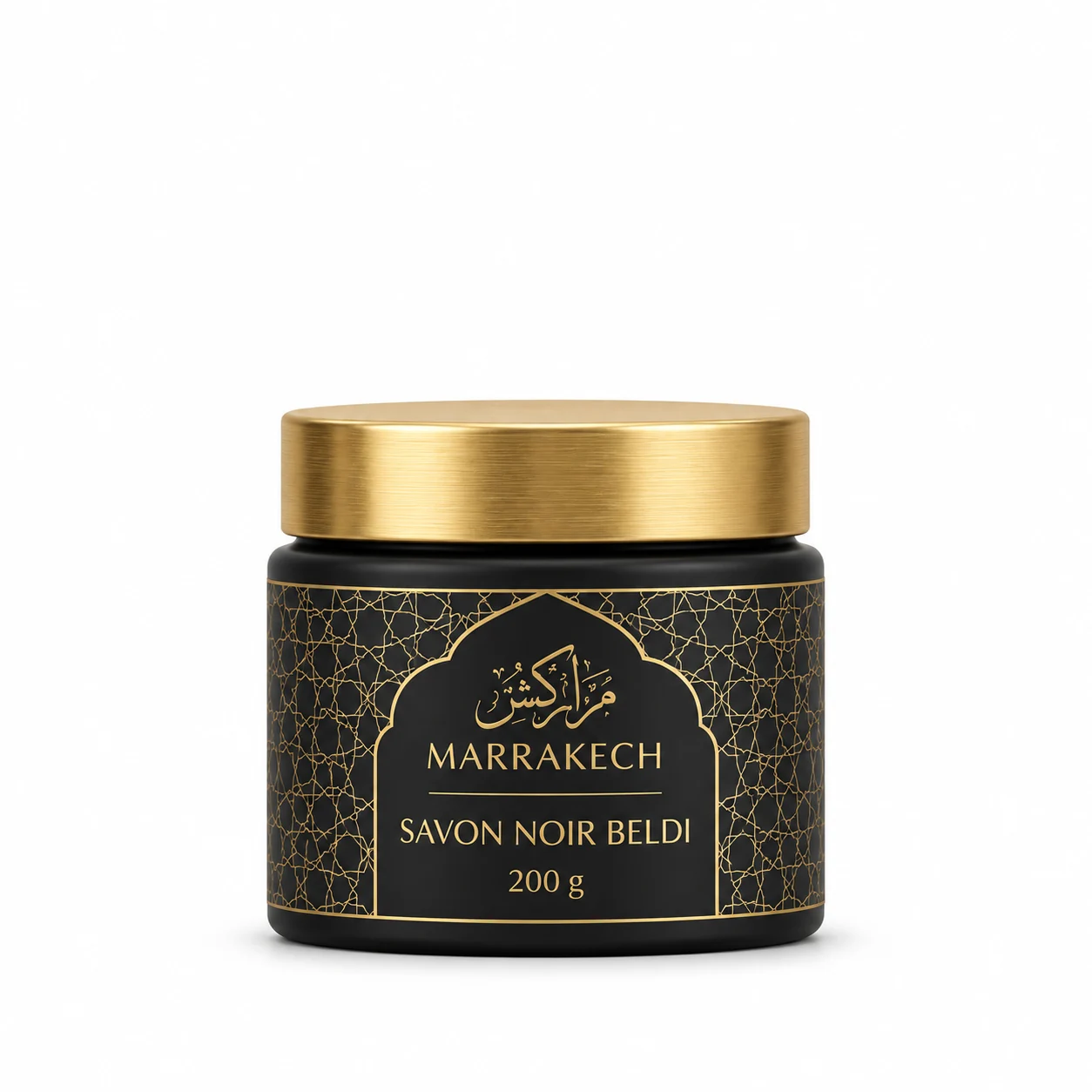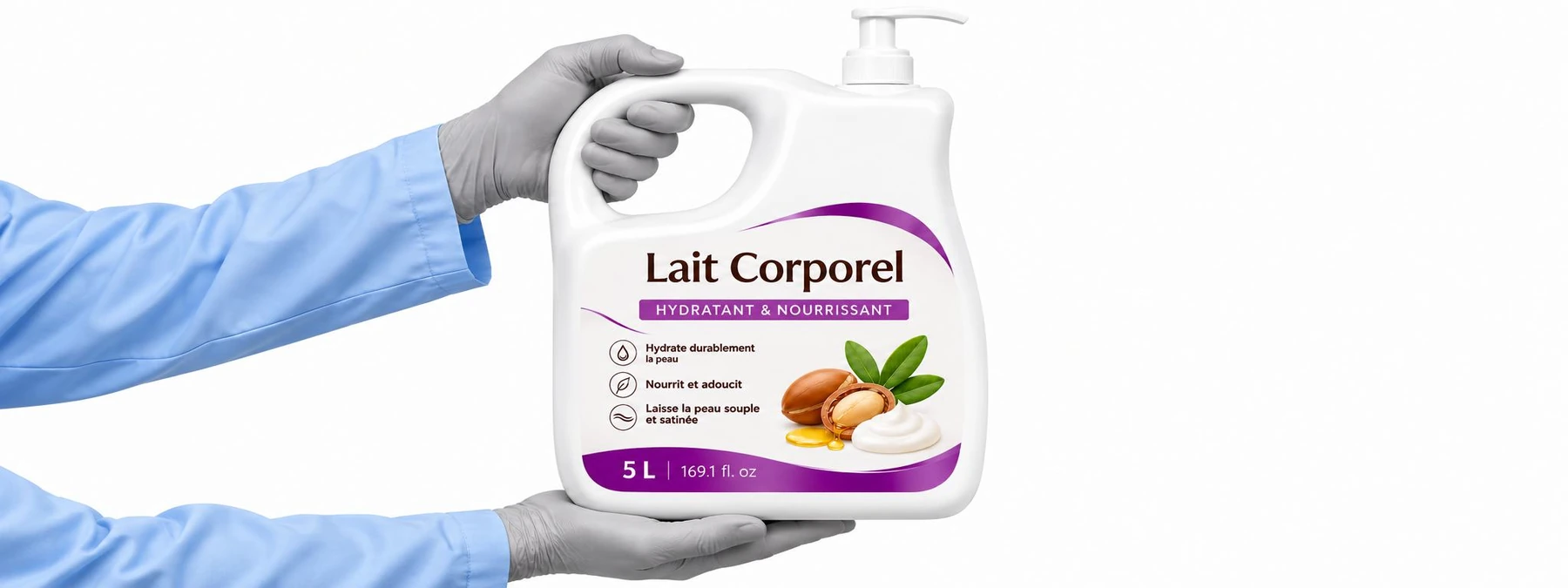
A buyer importing a raw material, a preparation intended for processing or a finished cosmetic product in bulk is not necessarily in the same documentary situation. Before preparing the transport, the partners must describe the nature of the product, its intended use, its status and each party's responsibilities. Customs formalities and cosmetics rules are two different things.
Build a consistent logistics file
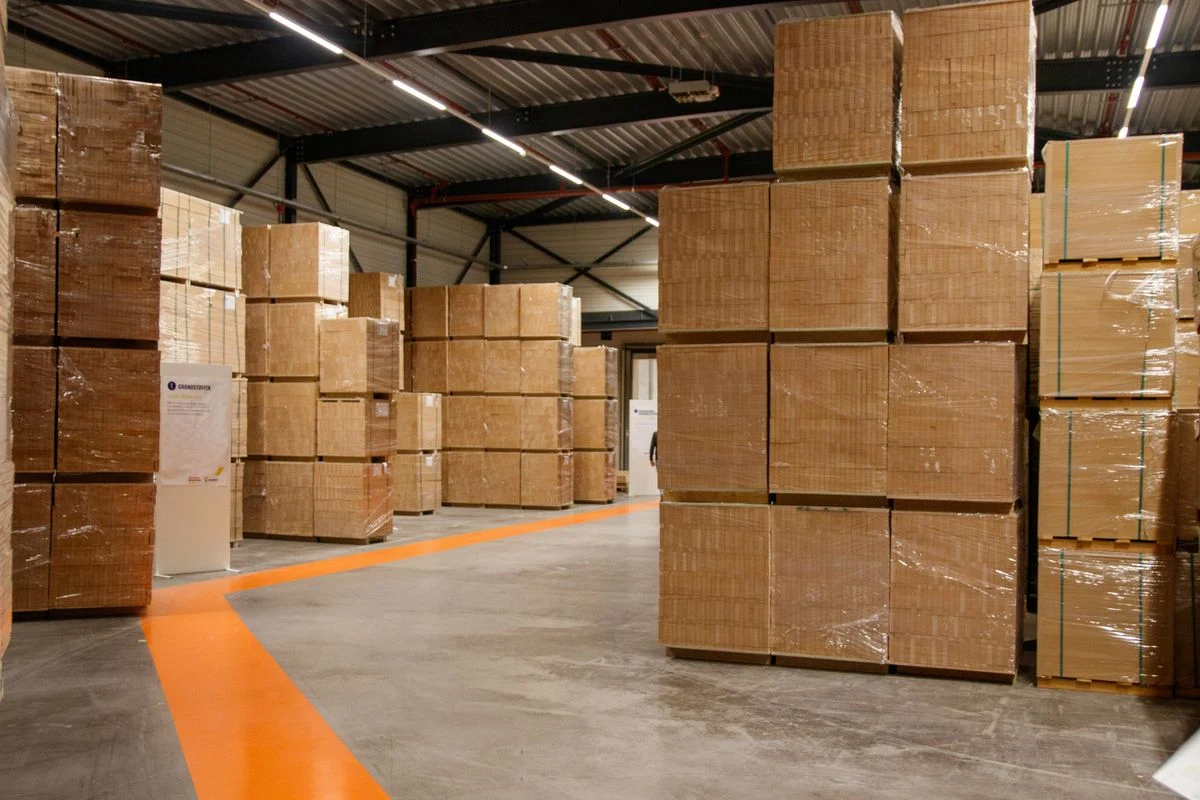
Prepare the order references, the commercial invoice, the packing list, batch identification, the agreed specifications and the information needed for transport. Depending on the nature of the product and the applicable regime, other documents may be required; they must be confirmed with the freight forwarder and the competent authorities. For large containers, also check integrity, seals and handling conditions.
Anticipate placing on the market after packaging
If the product is to be sold as a cosmetic in the EU, the Responsible Person must have the necessary regulatory elements, in particular the Product Information File and the safety assessment, and must carry out the relevant notification. Physical importation must therefore be distinguished from the marketing of the final product. This planning avoids receiving stock that cannot yet be sold.
Resource offered: a timeline “order → leaving the factory → customs → receipt → filling → placing on the market”, to be adapted to the actual project.
Points to approve in your file
For each of the following elements, write down the decision taken, the person who approves it and the document that can justify it:
- Customs status.
- Invoice.
- Packing list.
- Batch.
- Packaging.
- Placing on the market.
Frequently asked question
Is a certificate of origin enough to sell a cosmetic made in Morocco in France?
No. It relates to questions of customs origin, whereas marketing cosmetics in the EU involves specific obligations regarding safety, documentation, the Responsible Person and notification that apply to the product.
Apply this guide to your project
To apply this guide, document two elements first: the customs status and the invoice. If an industrial study is needed, specify the products, indicative volumes, packaging and countries of sale concerned. The BIOCYLAB team can examine this information according to the actual scope of the project; quantities, lead times and services must be confirmed before any decision.