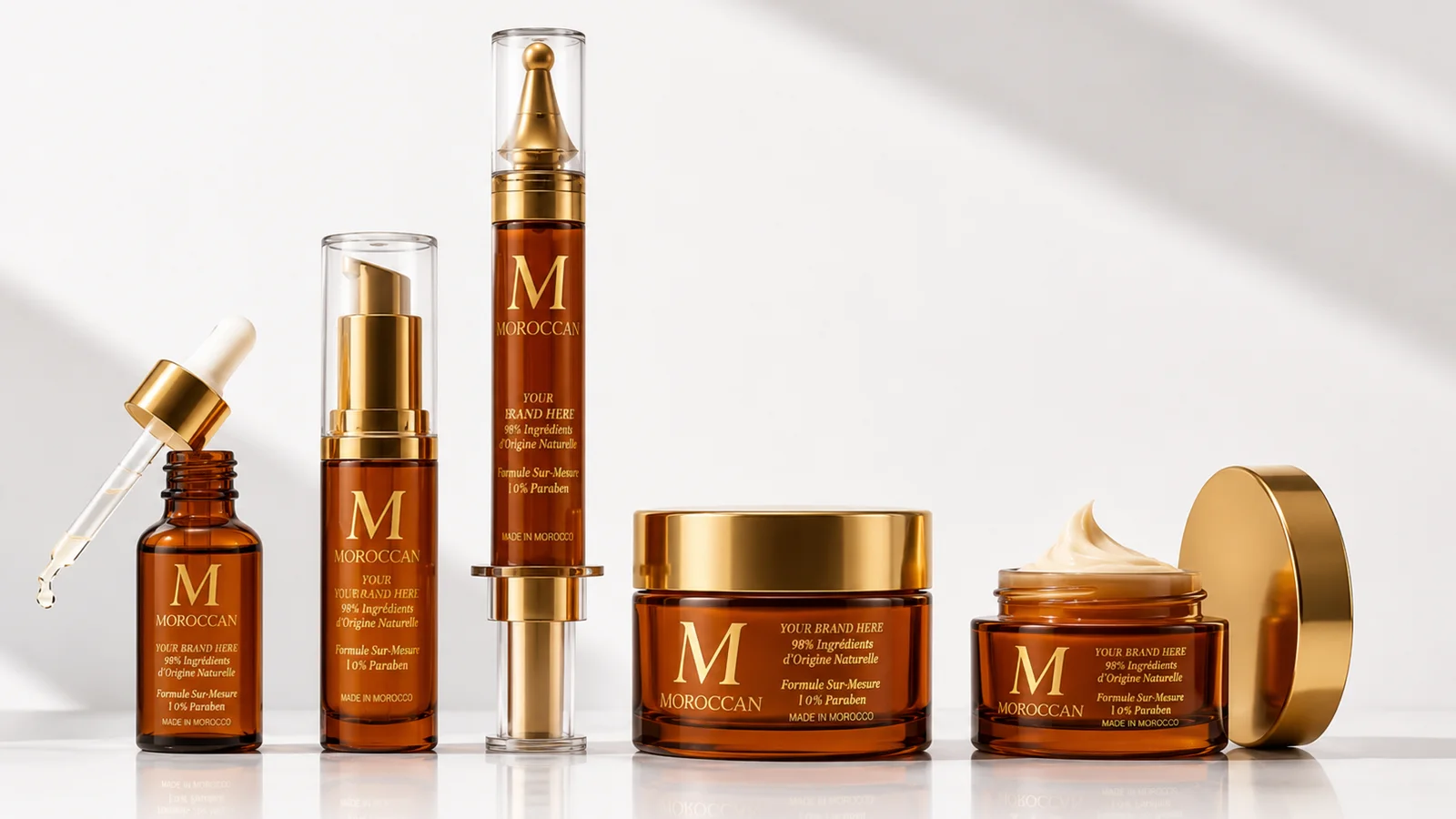
A cosmetic product must retain appropriate characteristics during the intended period of use. Depending on the product, the assessment may cover appearance, colour, odour, viscosity, pH, phase separation or relevant physicochemical characteristics. A pleasant texture in the first trial does not prove that it will remain satisfactory after storage and transport.
Build a risk-based test plan
The programme depends on the formula, its packaging, the climatic conditions and the desired shelf life. Accelerated conditions can help detect certain instabilities, but their interpretation is not automatically equivalent to a guaranteed shelf life. Observations must be linked to a method, a sample reference and acceptance criteria defined before the test.
What a buyer can ask for
Ask which parameters were monitored, which packaging was used, which formula changes occurred and which conclusions were drawn. A change of fragrance, active, pump or jar may justify an impact analysis. Stability, compatibility and safety data together contribute to the decision to market the product.
Practical decision: draw up a roadmap “validated prototype → test plan → results → changes → launch decision” with the people responsible for each stage.
Reading a stability programme in five questions
- Which parameters were considered relevant for this formula?
- Does the packaging tested actually correspond to the commercial packaging?
- Which storage conditions were simulated or observed?
- Which criteria would lead to the conclusion that the product is unstable?
- What follow-up is planned after the first production batch?
An accelerated method can be informative for spotting certain variations, but it must not be treated as universal proof of shelf life. Keeping traceability of versions is particularly important. If the test was carried out on a prototype and the fragrance, the preservative or the pump then changes, the conclusions will have to be re-examined according to the impact of these changes. This rigour avoids simplistic statements such as “tested for six months, therefore stable for three years” without justification.

Points to approve in your file
For each of the following elements, write down the decision taken, the person who approves it and the document that can justify it:
- Parameters.
- Conditions.
- Packaging.
- Samples.
- Results.
- Decision.
Frequently asked question
Do accelerated tests make it possible to promise any shelf life at all?
No. They help shed light on stability, but their conditions and limits must be interpreted by competent people. Monitoring the actual product in its commercial packaging can complement this approach.
Apply this guide to your project
To apply this guide, document two elements first: the parameters and the conditions. If an industrial study is needed, specify the products, indicative volumes, packaging and countries of sale concerned. The BIOCYLAB team can examine this information according to the actual scope of the project; quantities, lead times and services must be confirmed before any decision.