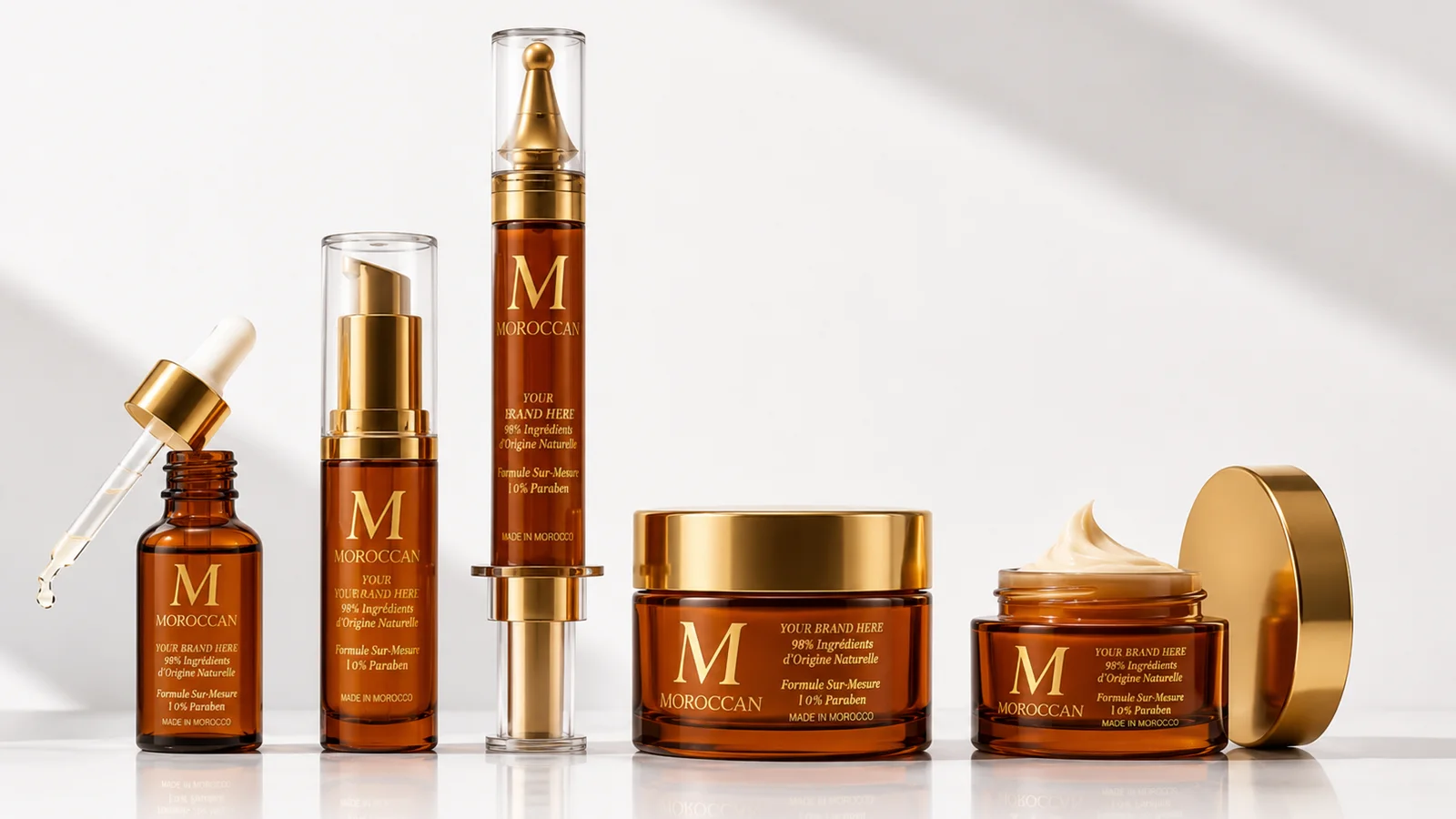
When creating a new cosmetic, describing only “a luxurious cream” leaves too many questions open. The brief must specify the user, the area of application, the texture, the fragrance, the formulation constraints, the packaging and the destination market. This information helps the formulator propose a relevant first trial and quickly flag any contradictions.
Describe testable objectives
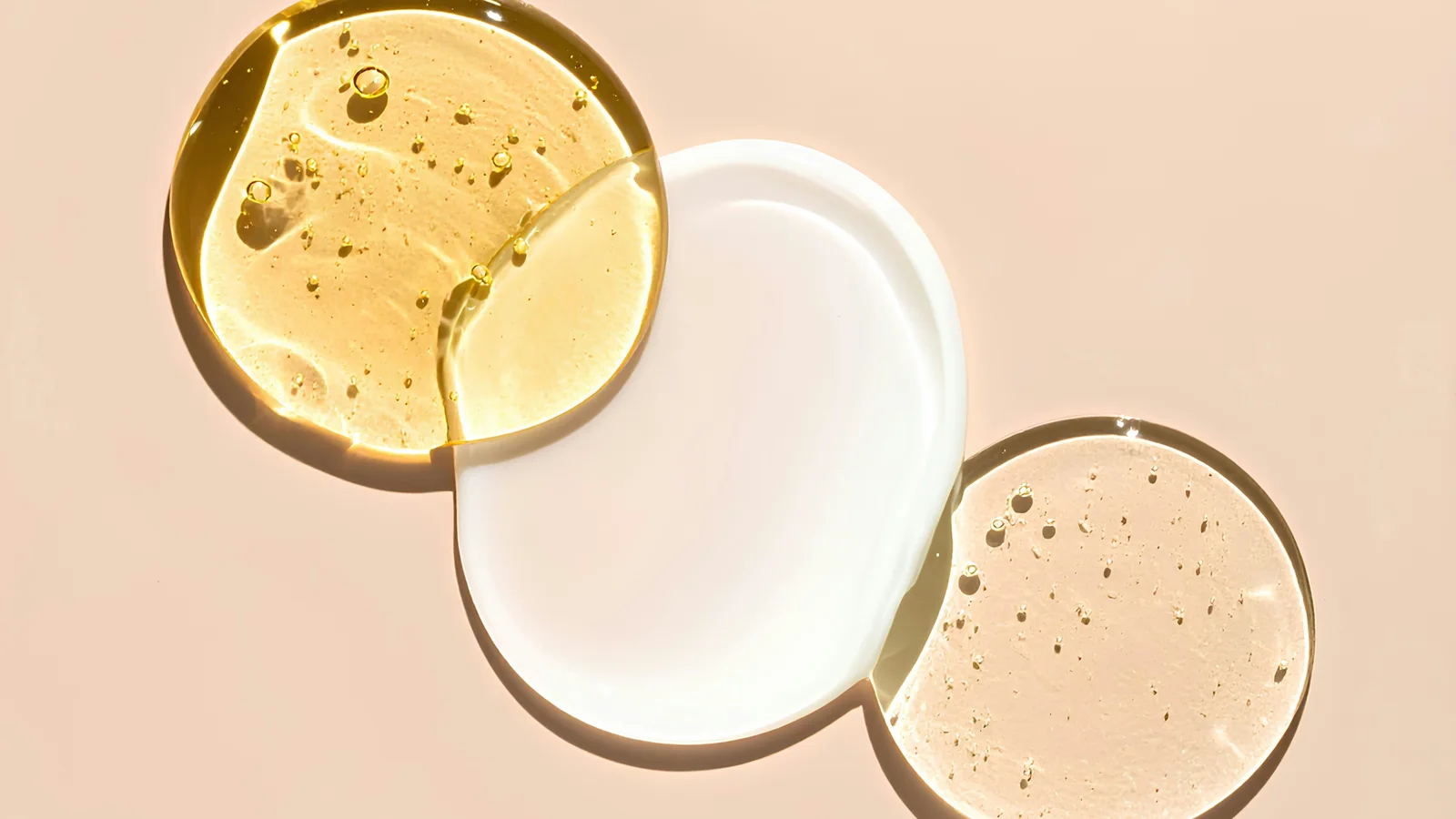
Replace vague wording with useful observations: fluid or thick, non-sticky finish, expected absorption, subtle fragrance, pump bottle, daily use. Marketing claims must be distinguished from sensory characteristics. A claim of efficacy will require an appropriate level of evidence; it does not arise simply because the formula contains a well-known ingredient.
Organise the versions
Each prototype receives an identifier, a documented composition or version, observation results and precise feedback. One decision at a time makes comparisons easier: changing the fragrance, the viscosity and the actives at the same time does not always make it possible to understand what has changed. After a sensory selection, quality, stability, compatibility and safety tests must follow a defined programme.
Recommended brief: brand identity, use, targets, market references, texture criteria, packaging, constraints, intended claims and countries of sale.
Points to approve in your file
For each of the following elements, write down the decision taken, the person who approves it and the document that can justify it:
- Target.
- Use.
- Sensory profile.
- Claim.
- Packaging.
- Validation.
Frequently asked question
Is a photo of a competitor's product enough as a formulation brief?
It can illustrate the desired result, but it specifies neither the performance nor the technical or regulatory constraints. Write down the uses, the texture, the expectations, the desired ingredients and the intended packaging.
Apply this guide to your project
To apply this guide, document two elements first: the target and the use. If an industrial study is needed, specify the products, indicative volumes, packaging and countries of sale concerned. The BIOCYLAB team can examine this information according to the actual scope of the project; quantities, lead times and services must be confirmed before any decision.