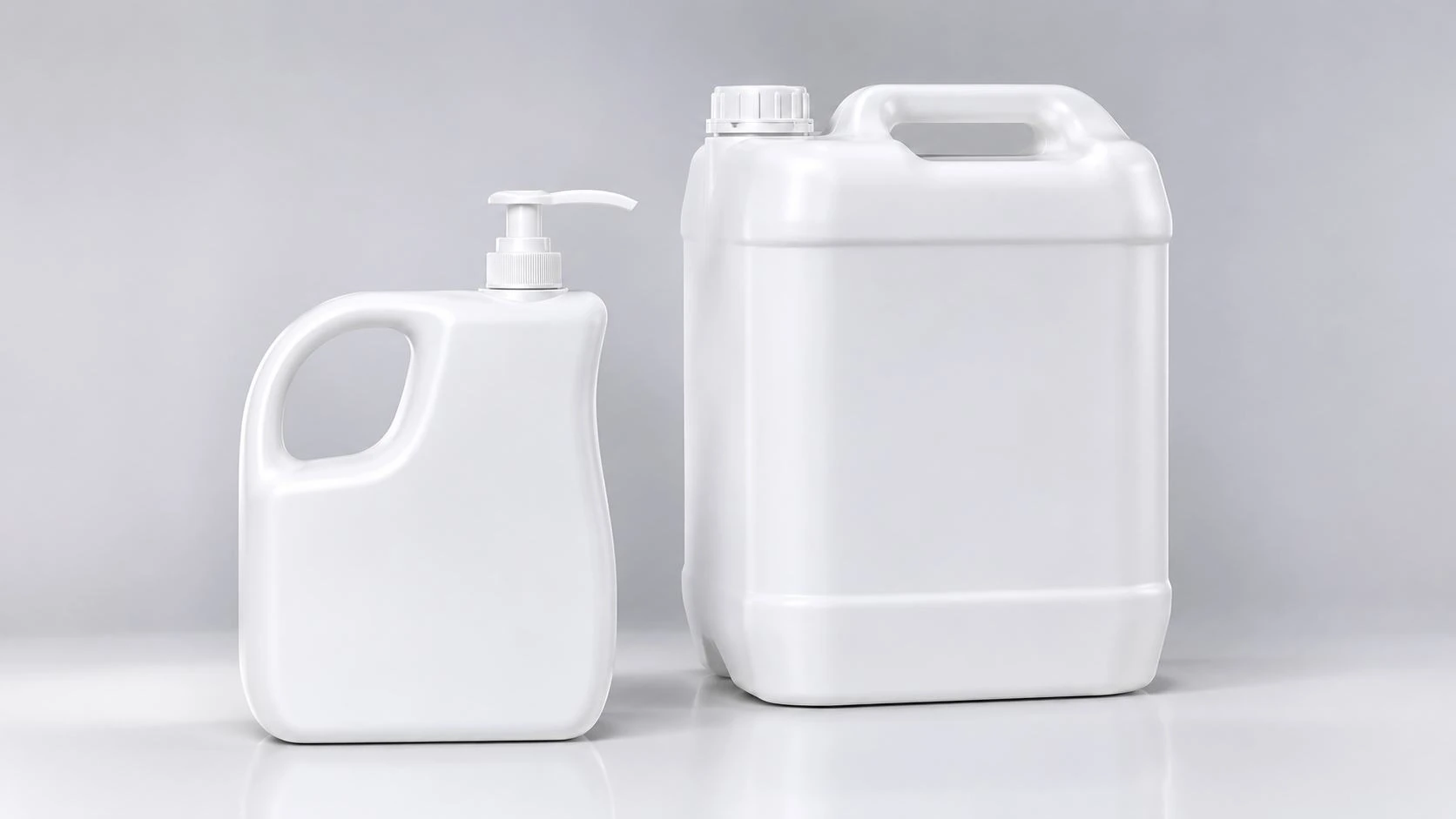
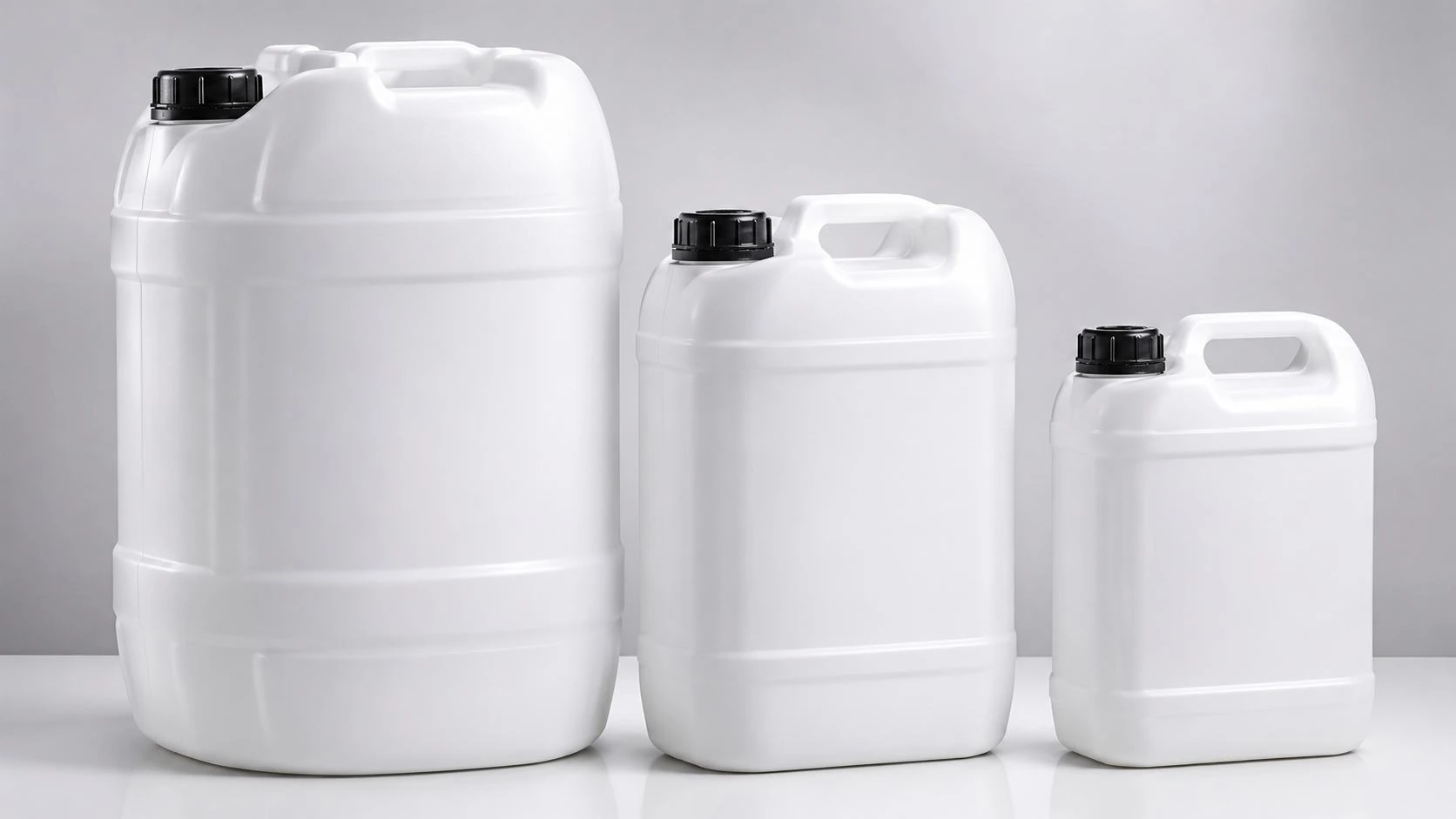
When ordering bulk cosmetics, the 5, 20, 50 or 200-litre format must be chosen according to viscosity, consumption, the transfer method and the handling equipment available. A small can sometimes makes sampling and restocking easier; a drum reduces the number of handling operations but requires suitable equipment. There is no universal best format.
Compare the complete logistics
Start with the quantity to be received over a defined period. Then calculate the number of containers, where they will be placed, the number of openings, the transfer to the filling machine and the residual volume at the end of the operation. Add the management of empty containers, the transport conditions and the risk of supply disruption. In some projects, two well-controlled deliveries are better than a single, excessively large stock.
Adapt the choice to the product
A fluid oil, a shower gel and a viscous hair mask do not flow in the same way. Material compatibility, the closure, the ability to clean transfer equipment and the storage conditions must be defined in the specification. A format being available from the supplier does not mean that it is technically suitable for your workshop.
Practical matrix: product / viscosity / monthly volume / transfer method / handling / packaging / delivery frequency.
Points to approve in your file
For each of the following elements, write down the decision taken, the person who approves it and the document that can justify it:
- Product.
- Viscosity.
- Volume.
- Lifting equipment.
- Transfer method.
- Frequency.
Frequently asked question
How do you choose between a can and a drum?
Assess the volumes per order, viscosity, handling equipment, storage time, the transfer process and losses. The right format is the one that makes safe, traceable use easier at a reasonable full cost.
Apply this guide to your project
To apply this guide, document two elements first: the product and the viscosity. If an industrial study is needed, specify the products, indicative volumes, packaging and countries of sale concerned. The BIOCYLAB team can examine this information according to the actual scope of the project; quantities, lead times and services must be confirmed before any decision.