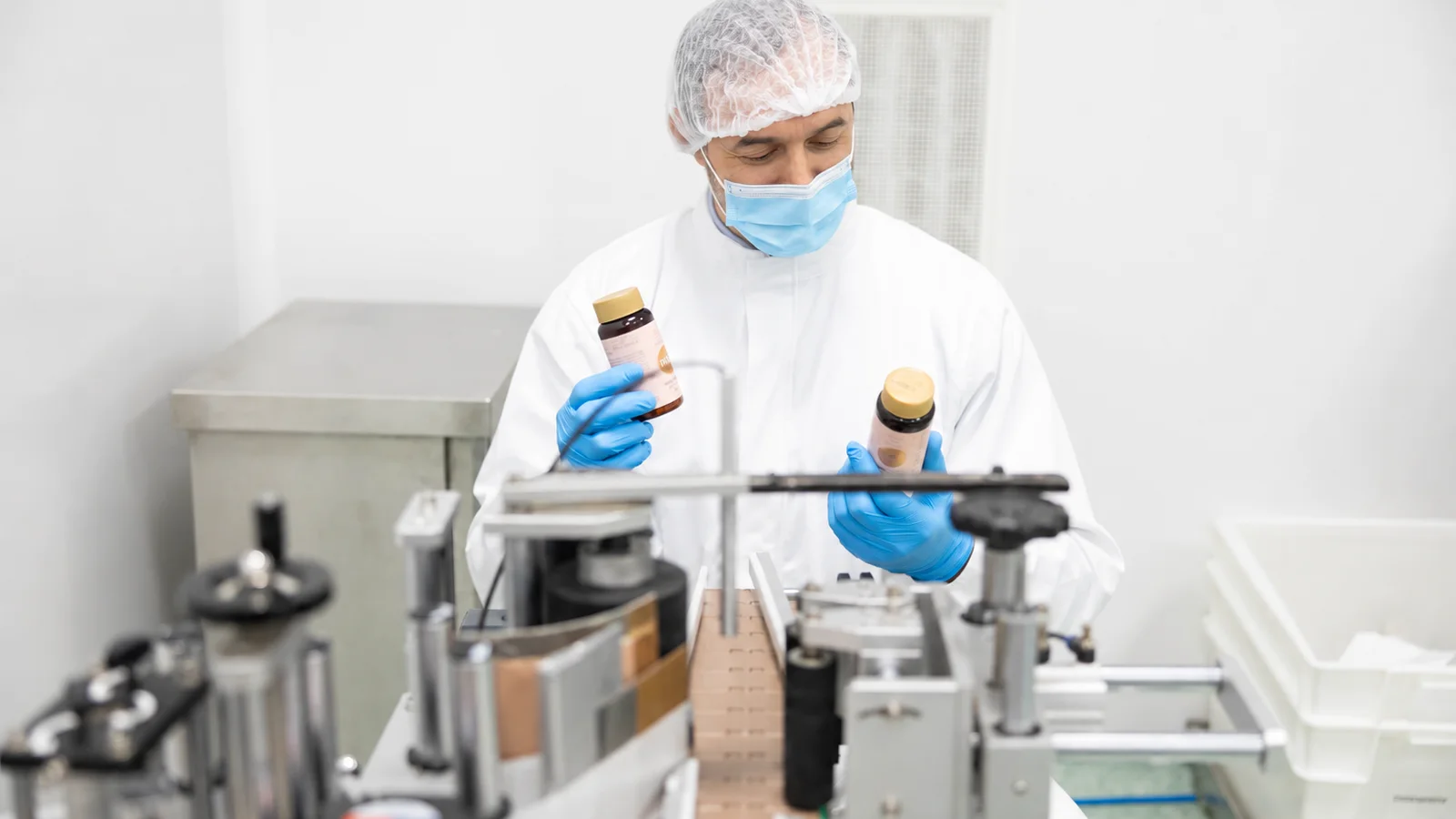
A contract manufacturer is not chosen solely on the basis of factory photographs or a price. The buyer must examine the compatibility between the project and the manufacturer’s capabilities: product families that can be made, equipment available, volumes accepted, quality organisation, traceability, tests and document management. Any declaration of compliance or certification must be linked to a valid document, to its scope and to the entity concerned.
Contract, formula and continuity of supply
Ask who owns the formula, the graphic files, the moulds and the test results. Specify the conditions for resuming production, what happens to the materials purchased and the responsibilities in the event of a non-compliant batch. Lead times must be separated between development, approval, supply of components and manufacturing. A schedule that is too short with no check of dependencies is less useful than a detailed, realistic plan.
An objective comparison method
Assess each candidate on twelve criteria: capabilities, relevant references, documentary quality, traceability, tests, MOQ, full costs, lead times, intellectual property, arrangements for changes, after-delivery service and responsiveness. Give each criterion a different weight depending on your project. For a brand intended for the European Union, the preparation of regulatory documentation will carry particular weight; for a hotel network, the consistency of restocking will be decisive.
To take to the meeting: a manufacturer qualification grid with the evidence to ask for and the contractual questions. It must allow you to reject an insufficiently defined quote, even when the price seems attractive.
The twelve questions to send to the contract manufacturer
- Which product families can you really manufacture at the site concerned?
- What minimum applies per formula and per product?
- Which tests and controls are carried out, and by whom?
- Which documents are provided before placing on the target market?
- What is the exact scope of the certificates or attestations presented?
- How is traceability ensured between materials, bulk and finished products?
- Who buys the components and manages packaging shortages?
- Which schedule separates prototypes, approvals and production?
- Who holds the rights to the formula and the brand files?
- What does the contract provide in the event of a change, delay or non-compliance?
- Which documents will be handed over if the brand changes manufacturer?
- How are complaints, returns and restocking managed?
A good supplier interview aims for precise answers rather than promises. The way in which the partner acknowledges a capacity limit is as informative as the products in its catalogue. A room fragrance project, a sunscreen and a black soap do not involve the same equipment, controls and obligations. Specialisation matching your product should therefore carry more weight than a marketing track record.

Points to approve in your file
For each of the following elements, write down the decision taken, the person who approves it and the document that can justify it:
- Capabilities.
- Quality file.
- Equipment.
- Subcontractors.
- Formula ownership.
- After-delivery service.
Frequently asked question
Is a certification enough to choose a laboratory?
No. Check the validity and scope of the certification, but also the capabilities corresponding to your product, the controls, traceability and the contractual conditions. The quality of an industrial relationship is judged on several consistent pieces of evidence.
Apply this guide to your project
To apply this guide, document two elements first: the capabilities and the quality file. If an industrial study is needed, specify the products, indicative volumes, packaging and countries of sale concerned. The BIOCYLAB team can examine this information according to the actual scope of the project; quantities, lead times and services must be confirmed before any decision.